UI transitions guide, intentional UX, why companies kill great design
Weekly curated resources for designers — thinkers and makers.
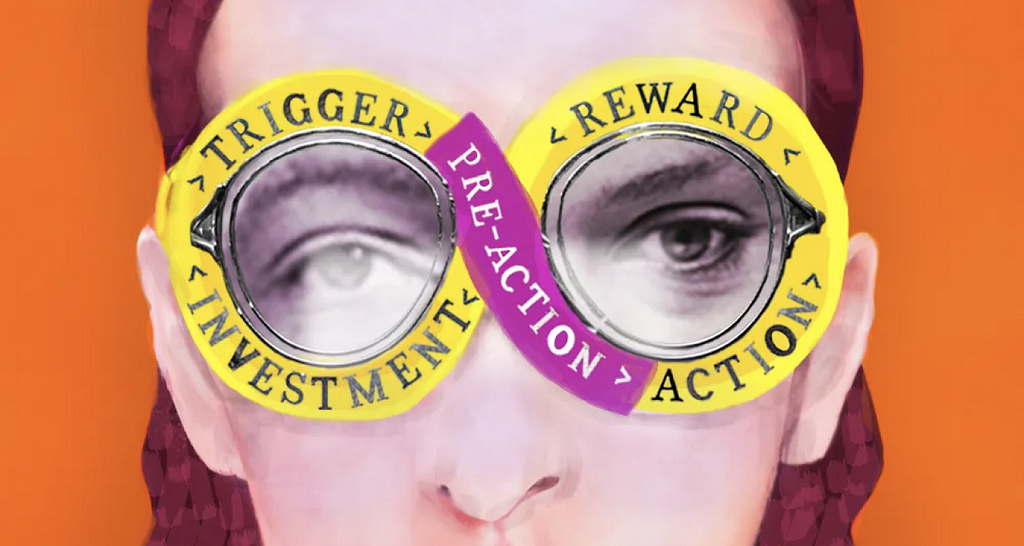
“As a UX Designer deeply invested in the world of apps and user experience, there’s a subject that has been occupying my mind lately — the fascinating interplay between anticipatory, persuasive, and emotional design in UX. We’ve all encountered those products that seem to hold an irresistible allure, effortlessly keeping us hooked. But have you ever wondered how these products leverage psychological techniques to influence our decisions, sometimes even at the cost of our autonomy?”
How to build intentional UX in an era of persuasive technology →By Emily Yorgey
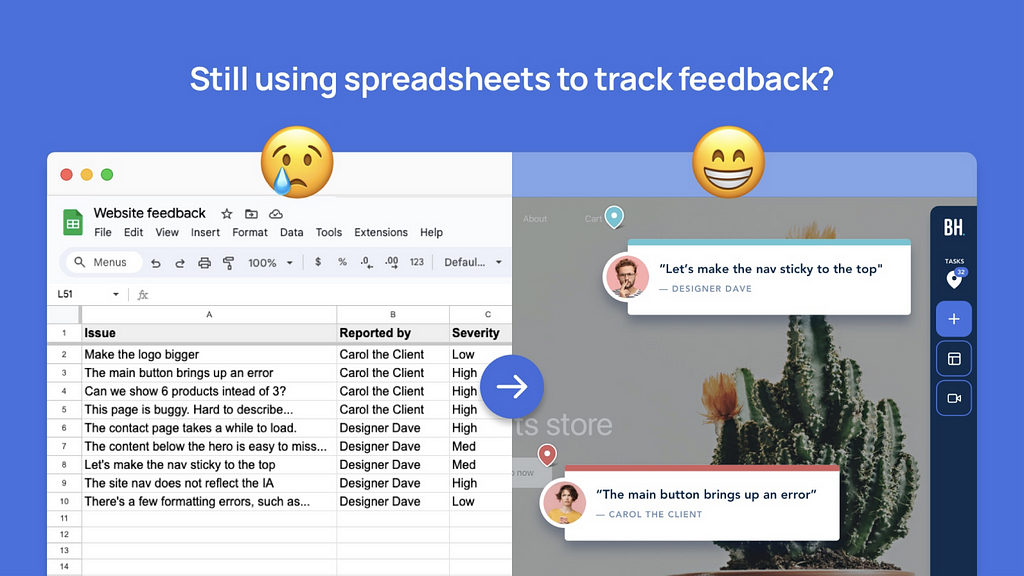
Still using spreadsheets to track feedback? →[Sponsored] Bugherd is the better way to get website feedback. Switch to BugHerd to better manage your web projects. It automatically captures a screenshot, plus the user’s browser, OS and more so you can get better feedback, faster. PS: AND your clients will love the ease of point-and-click feedback.
Editor picks
- The inverse value of UX and Art →
Limited edition vs. utility design.
By Darren Yeo - Risk tolerance →
Why some countries prefer more complex UIs.
By Bas Wallet - Why companies kill great design →
Sometimes it’s not about the design.
By Olesia Vdovenko
The UX Collective is an independent design publication that elevates unheard design voices and illuminates the path to design mastery and critical thinking. Here’s how we’re boosting stories through our partnership with Medium.

Hocus focus: a keyboard accessibility horror game →
Make me think
- What was the TED talk? →
“I like to call this fusion ‘the inspiresting.’ Stylistically, the inspiresting is earnest and contrived. It is smart but not quite intellectual, personal but not sincere, jokey but not funny. It is an aesthetic of populist elitism.” - How AI reduces the world to stereotypes →
“Even stereotypes that are not inherently negative, she said, are still stereotypes: They reflect a particular value judgment, and a winnowing of diversity.” - What does a happily ever after look like? →
“What comes to mind when imagining the archetypical romance novel might be either a scantily clad man clutching a fainting lady, or a colorful pop illustration with big block text.”
Little gems this week
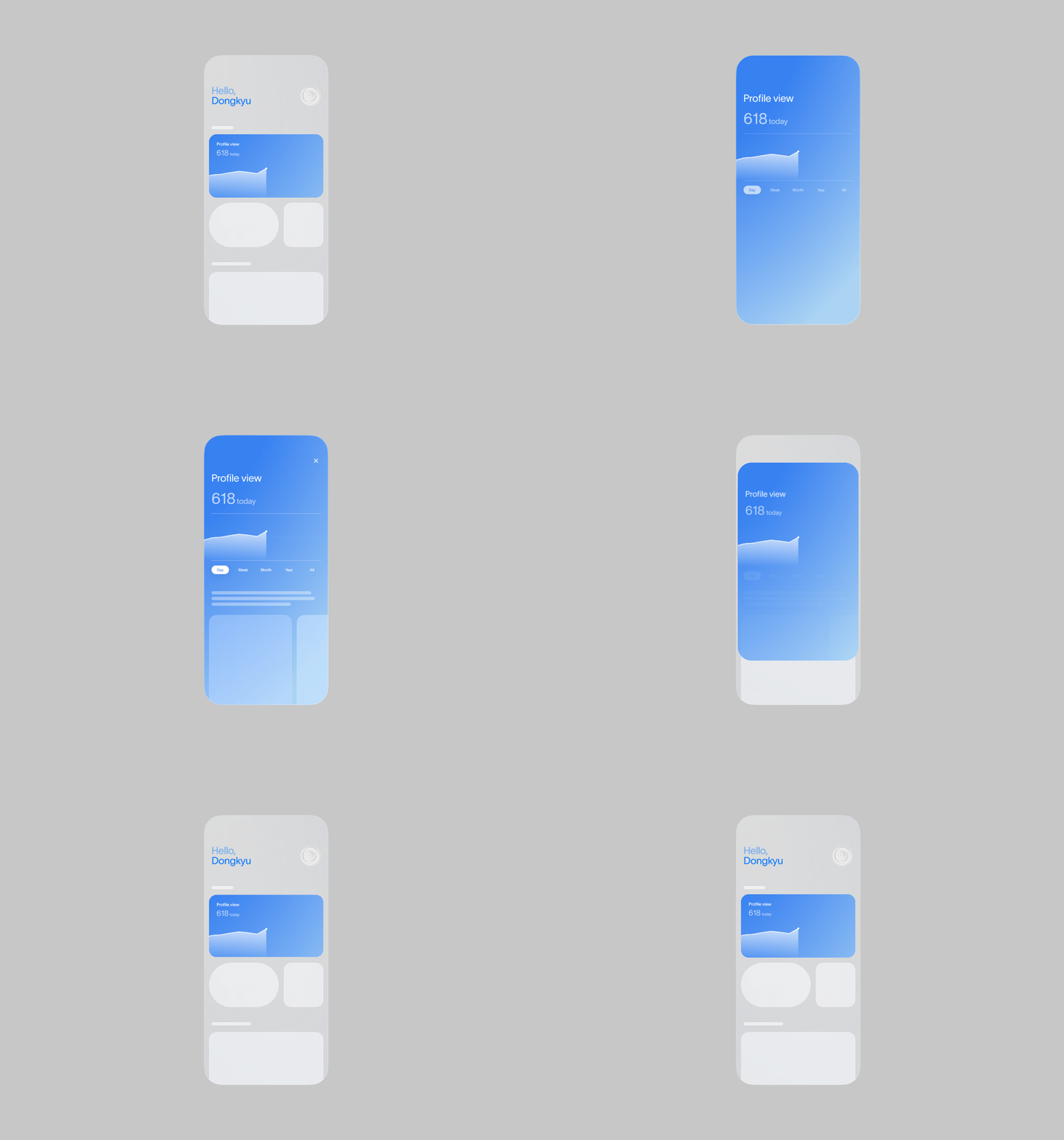
Transition animations: a practical guide →By Dongkyu Lee

Myths and considerations for the future of VR →By Felix Mollinga

What can designers learn from SolarPunk? →
By Kevin Richard
Tools and resources
- Inactive but still accessible →
What should be the contrast level of inactive buttons?
By Giulia Alfarano - 20 lessons for new design managers →
A list with reflections and advice.
By Tarryn Lambert Consulting - App motion gallery →
Explore the best, hand-picked app motion design.
Support the newsletter
If you find our content helpful, here’s how you can support it:
- Forward it to a friend and invite them to subscribe
- Share open positions on our job board
- Sponsor an edition

UI transitions guide, intentional UX, why companies kill great design was originally published in UX Collective on Medium, where people are continuing the conversation by highlighting and responding to this story.