Tyranny of consistency, design manager’s toolkit, when to use dialog boxes

Weekly curated resources for designers — thinkers and makers.
“Current AI systems seek to mitigate AI mistakes by requiring human oversight, by keeping the human in the loop and relying on them to detect and fix the AI output if needed.
If an AI, like ChatGPT, is right most of the time, it is really hard as a human to judge if it is right or wrong in a particular case. And just adding a small disclaimer pointing out that the AI “may produce inaccurate information,” as done by ChatGPT apparently doesn’t prevent people from falling for the AI’s hallucinations. It also puts the human in the unpleasant position of taking all responsibility for an output or action that was mainly determined by the AI.”
Designing for safe and trustworthy AI →By Cara Storath

What happens when usability is no longer a priority? →[Sponsored] “I’m starting to think that some designers are just being lazy. A failure to test is undoubtedly a part of the problem, but I don’t think it’s just that. I believe there is a lack of education and awareness. (…) With new technology will come new interaction paradigms and modalities. Importantly, we must not see innovation and usability as a dichotomy.”
Editor picks
- How Loom drives growth with email →
A 10/10 example of a retention loop.
By Rosie Hoggmascall - The tyranny of consistency →
Consistency is a helpful tool for designers. Until it isn’t.
By Robert Stribley - The usability problem with prompt-driven AI →
Addressing declining engagement and retention.
By Tom Cleary
The UX Collective is an independent design publication that elevates unheard design voices and illuminates the path to design mastery and critical thinking. Here’s how we’re boosting stories through our partnership with Medium.
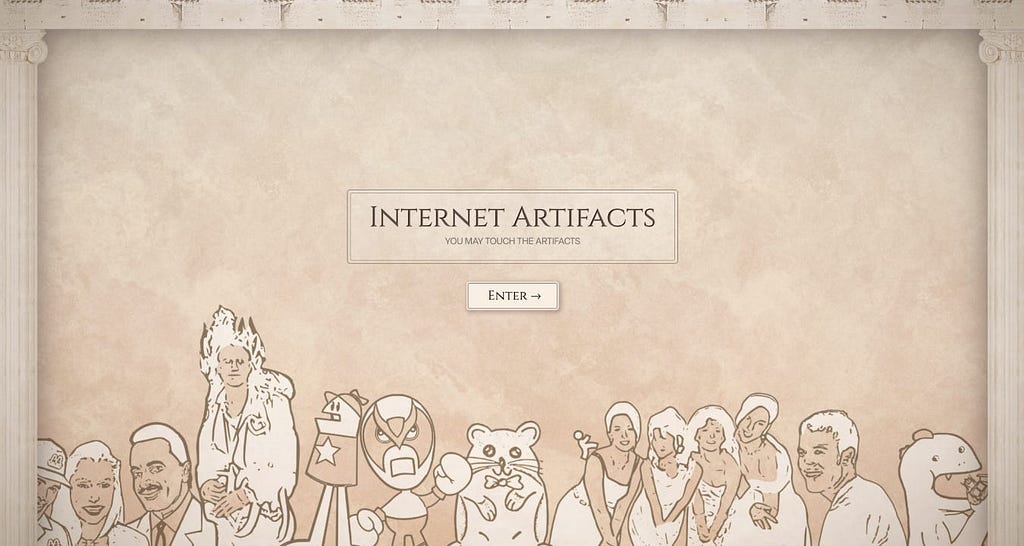
Internet Artifacts: you may touch the artifacts →
Make me think
- It’s 2023, here is why your web design sucks →
“There is also the larger issue of who we hire for. This is something I think about often when I think about moving teams or companies. Am I going to find a place that will allow me to actually utilize all of this web design knowledge I have? Or, am I going to just be a JS engineer who spends most of my time configuring pipelines or doing ops work?” - We were never supposed to see our own faces this much →
“Our ancestors’ realities were hugely different. The earliest type of “mirror” used was nature — reflections in ponds, lakes, and rivers when waters were calm enough to reveal a flat surface. But even then, we had never truly “seen” ourselves and, because of this, we had a very different concept of who we were.” - Double diamond Is not how most companies work →
“Do you actually rely on the well-established Double Diamond process in your design work? Chances are high that you had to cut corners, make tough compromises, and keep convincing stakeholders about the right approach to design.”
Little gems this week

Hey Siri: call an ambulance →By Michalina Bidzinska
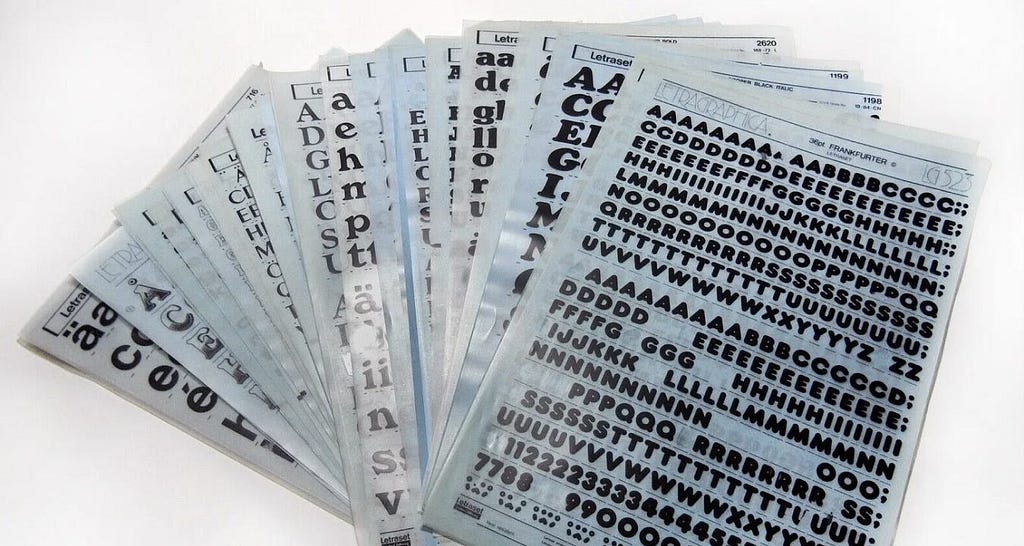
Why are we so fascinated by letters? →By Peter Cho

How effective are tobacco warning labels? →
By Elvis Hsiao
Tools and resources
- The design manager’s toolkit →
A playbook for handling challenges as a manager.
By Jared Zimmerman - Smashing Conf Design & UX 2023 →
Sketchnotes & key takeaways.
By Krisztina Szerovay - Sheet, dialog, or snack bar? →
What should a designer go for?
By Ksenia Toloknova
Support the newsletter
If you find our content helpful, here’s how you can support it:
- Forward it to a friend and invite them to subscribe
- Share open positions on our job board
- Sponsor an edition

Tyranny of consistency, design manager’s toolkit, when to use dialog boxes was originally published in UX Collective on Medium, where people are continuing the conversation by highlighting and responding to this story.