The issue with Threads, UI-verse, Zuck vs. Musk, Figma’s REM units
Weekly curated resources for designers — thinkers and makers.
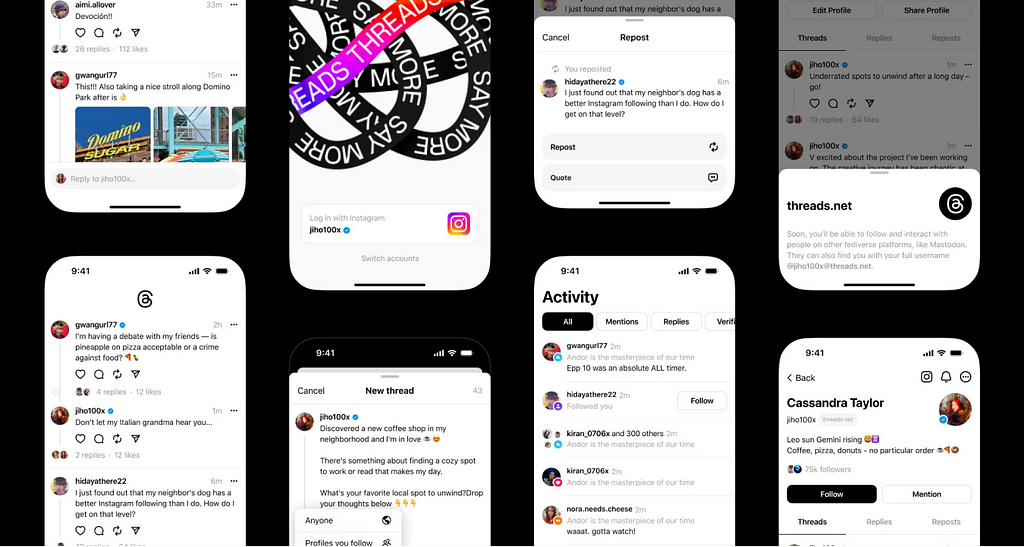
“However, if you do some quick math, you will see that 100M signups (defined by installing the app + click a button that says signup with your Instagram account) out of 3.8 billion monthly active Meta users is 3% of their users, i.e. 3 out of 100 Meta users did a low effort action (one-click signup) in the midst of a huge product news cycle. That’s definitely non-trivial, and if nothing, it shows how much pent-up consumer demand there is for a new Twitter-like product, but this by no means is a slam dunk.”
Threads: The problem with the “everything for everyone” approach →By Viggy Balagopalakrishnan

Bad data: what designers can learn from the history of the BMI →[Sponsored] Quantitative data feels good — there’s comfort in the objectivity of numbers. But a look back at the history of the Body Mass Index shows us that behind the supposed rationality of data lies historical and cultural biases that can lead us astray. Read this fascinating historical tale on Outlier by Dovetail — be sure to subscribe for more.
Editor picks
- Strategic UX Research is the next big thing →
The discipline that has caught the attention of top executives.
By Jared M. Spool - How to reduce subscription churn →
A 10/10 example of knowing your audience and meeting their needs.
By Rosie Hoggmascall - Why is Twitter paying creators? →
The momentum towards revenue sharing.
By Viggy Balagopalakrishnan - Branching out of the UI-verse →
From command lines to ambient computing.
By Darren Yeo
The UX Collective is an independent design publication that elevates unheard design voices and illuminates the path to design mastery and critical thinking. Here’s how we’re boosting stories through our partnership with Medium.
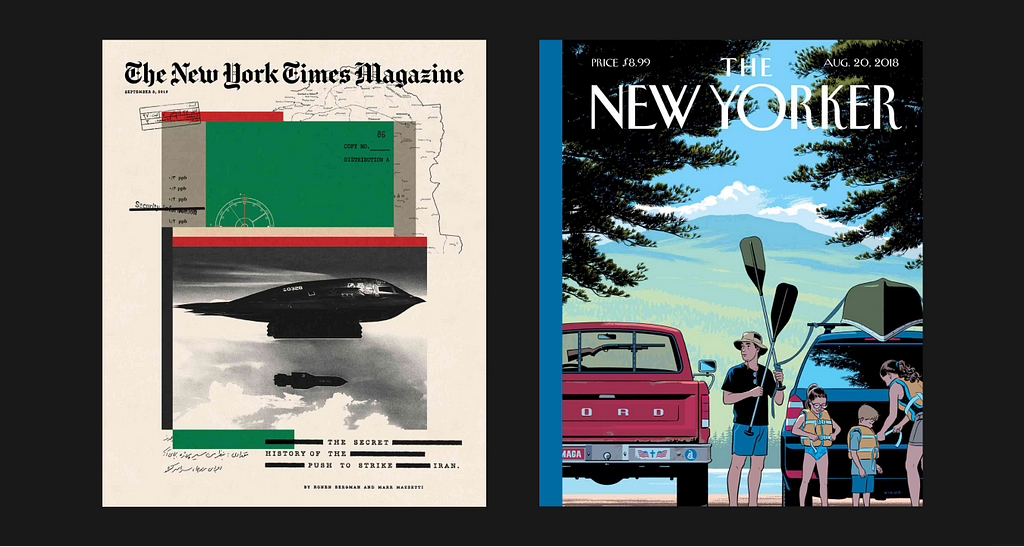
Illustration.lol: a project that celebrates marks →
Make me think
- AI and the automation of work →
“ChatGPT and generative AI will change how we work, but how different is this to all the other waves of automation of the last 200 years? What does it mean for employment? Disruption? Coal consumption?” - Trophy jobs →
“We’ve all heard of the trophy wife or husband — a partner that’s valued heavily as a status symbol, for superficial qualities over substance. Similarly, I’ve started to think about the idea of the trophy job — a job that people covet for its status more than its substance.” - Multi-layered calendars →
“Isn’t it ironic that, of all things, it’s our time machines that are stuck in the past? The essay at hand is an exploration of what calendars could be if they weren’t stuck in time. But before we discuss their future, we first need to analyze their present status and how they fit into the rest of the productivity stack.”
Little gems this week
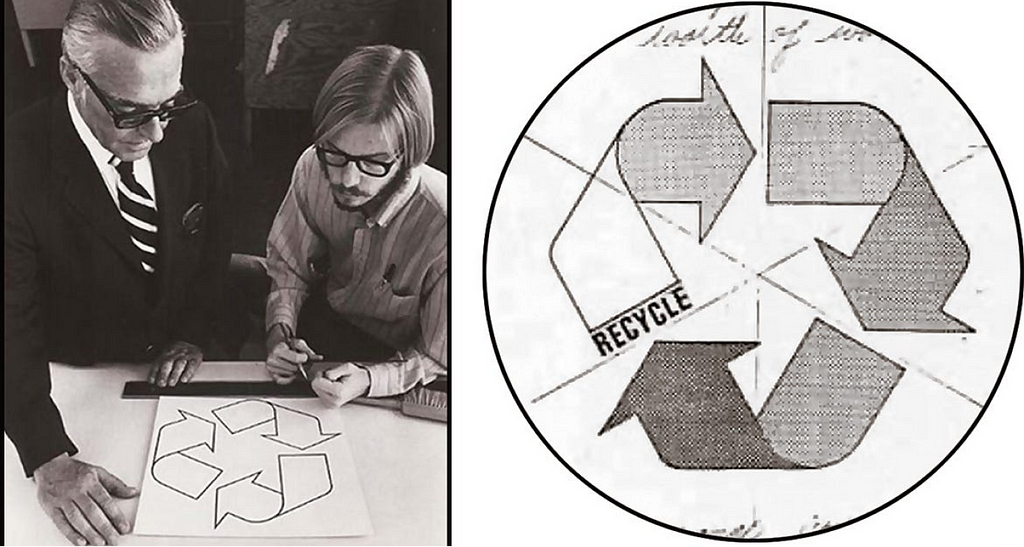
Where did the recycling symbol come from? →By Elvis Hsiao
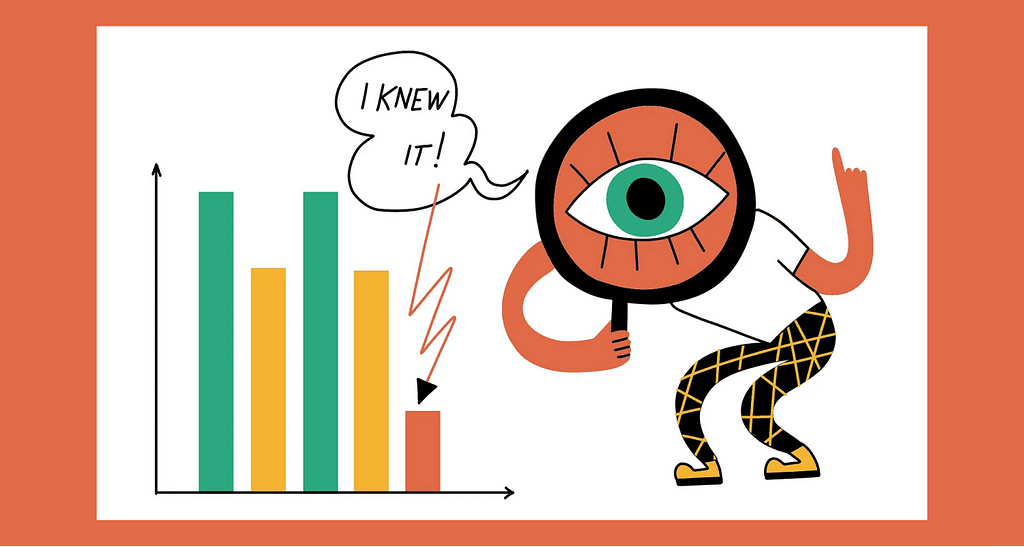
How to create non-obvious UX research insights →By Soyeon Lee

Zuck vs. Musk: please, no more fighting →
By Geli Skandalis
Tools and resources
- Figma now supports REM units →
Understanding the use and benefits.
By Christine Vallaure - Recent design →
The best of recent UI and interaction design. - Apple’s latest accessibility features →
What designers can learn from that release.
By Eric Chung
Support the newsletter
If you find our content helpful, here’s how you can support it:
- Forward it to a friend and recommend them to subscribe
- Share open positions on our job board
- Sponsor an edition

The issue with Threads, UI-verse, Zuck vs. Musk, Figma’s REM units was originally published in UX Collective on Medium, where people are continuing the conversation by highlighting and responding to this story.